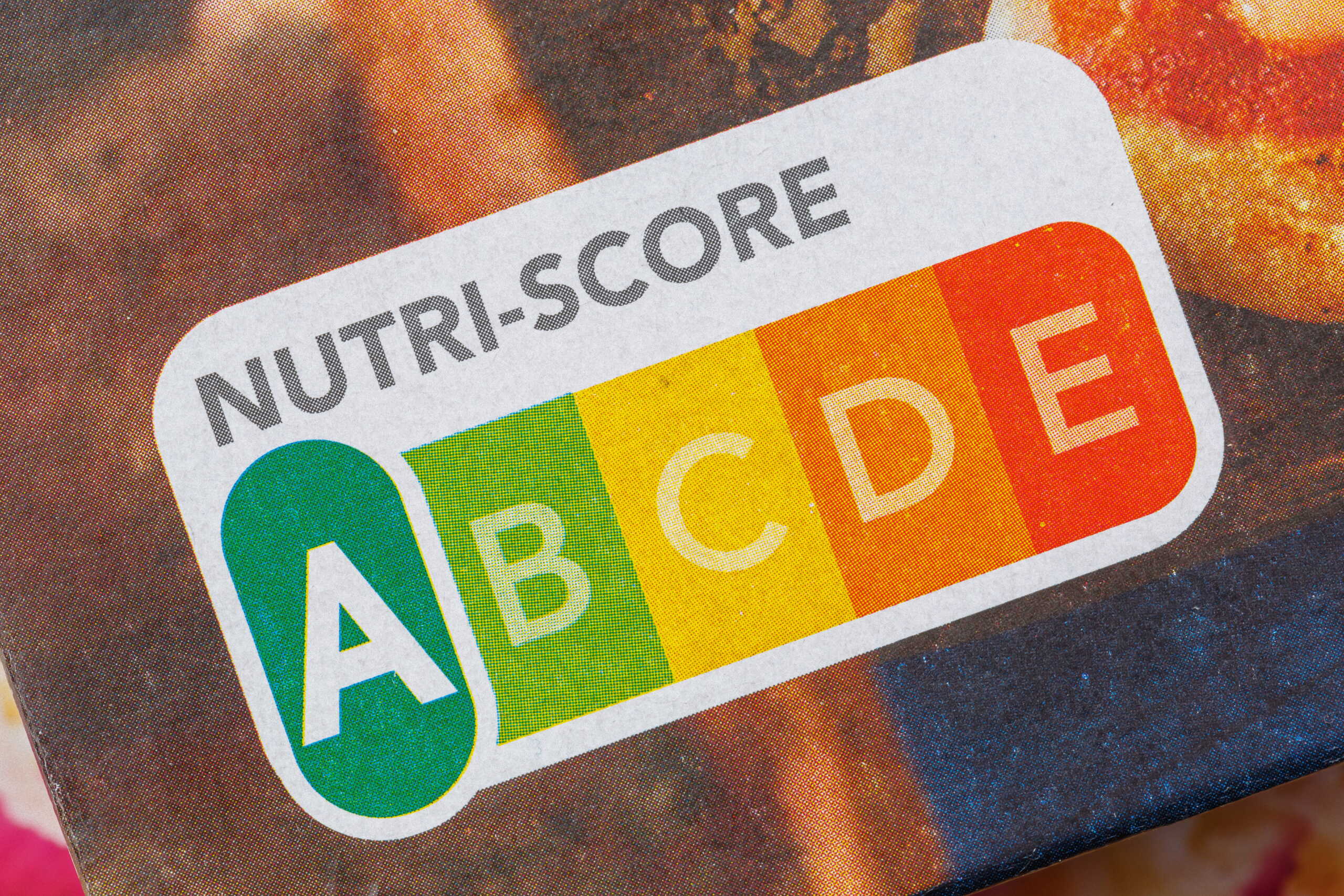
Kidney health is often linked to the amount of protein present in urine, with high levels of protein indicating potential kidney issues. One key factor in managing this condition is sodium intake, which can be more challenging to control due to hidden sodium in many packaged foods.
By reading food labels carefully, you can make informed choices that support your kidneys and overall health.

How To
Develop a Label-Reading Habit
Make it a routine to check the sodium content on food labels before purchasing.
Look for the sodium listed in milligrams per serving, and be mindful of the portion size. Foods with 5% or less of sodium’s daily value (DV) are considered low, while those with 20% or more are high.
Choose Low-Sodium Options
When reading labels, opt for products labeled as “low sodium,” “reduced sodium,” or “no added salt.” These options can significantly reduce your overall sodium intake, decreasing proteinuria risk and supporting kidney health.
Consider canned vegetables, broths, and soups, where sodium levels may vary widely between brands and products.
Understand Ingredient Lists
Sodium can be listed under various names, such as sodium benzoate, sodium bicarbonate, or monosodium glutamate (MSG). Familiarize yourself with these terms to identify hidden sodium sources.
Also, be wary of items with sodium as one of the first ingredients listed, as this indicates a higher sodium content.
Be Mindful of Processed Foods
Processed foods are a major source of hidden sodium. Items like bread, cereals, snacks, and frozen meals often contain more sodium than expected. Even foods that don’t taste salty can have high sodium levels.
By reading labels, you can identify and reduce your consumption of these high-sodium foods, protecting your kidneys and minimizing the risks of proteinuria.

Health Benefits
Enhances Kidney Protection
By reading food labels and making informed choices, you can significantly reduce your sodium intake, which is crucial for protecting kidney function.
This practice helps lower the risk of proteinuria, preserves the kidneys’ ability to filter waste effectively, and reduces the likelihood of kidney disease progression.
Promotes Cardiovascular Health
High sodium intake is directly linked to elevated blood pressure, a leading cause of heart disease and stroke. By carefully selecting low-sodium products, you can maintain healthier blood pressure levels, thereby reducing the strain on your heart and lowering the risk of cardiovascular complications.
Improves Fluid Balance
Monitoring and reducing sodium intake through label reading can help prevent fluid retention, which often accompanies high sodium consumption.
This not only reduces swelling and discomfort but also helps maintain a healthy balance of electrolytes, contributing to overall bodily function and well-being.
Supports Long-Term Wellness
Developing the habit of reading labels equips you with the knowledge to make healthier choices for your kidneys and overall health.
This proactive approach can lead to long-term benefits, including a lower risk of chronic diseases, improved energy levels, and better overall quality of life.
References
Disclaimer
- It is intended for general informational purposes only: The information provided on BioKissed’s website and app, including but not limited to business opportunities, nutrition tips, healthy lifestyle tips, healthy lifestyle practice articles, nourishing recipes, and wellness articles (hereinafter collectively referred to as “Content”), is intended for general informational purposes only. The Content is not intended to be a substitute for professional business advice, medical advice, diagnosis, or treatment.
- It is solely at your own risk: BioKissed does not recommend or endorse any specific tests, physicians, products, procedures, opinions, or other information that may be mentioned on the website or app. Reliance on any information provided by BioKissed, its employees, contracted writers, or others appearing on the website or app at the invitation of BioKissed is solely at your own risk.
- BioKissed does not endorse or approve any views in the Content: BioKissed does not guarantee the accuracy, completeness, or usefulness of any Content, nor does it endorse any views expressed within the Content. The inclusion of any Content on BioKissed’s website or app does not imply endorsement or approval of such Content.
- You voluntarily assume all such risks: Before participating in any challenge, making significant lifestyle modifications, altering your dietary practices, or engaging in any related activities, it is advisable to assess your personal health and fitness levels. BioKissed expressly disclaims responsibility for the substances individuals choose to consume, and the company is not liable for any consequences, including those related to food allergies, resulting from such choices. By choosing to participate in any challenge, you acknowledge and agree that any such activities carry inherent risks, and you voluntarily assume all such risks, even if they arise from the negligence of BioKissed, its affiliates, or its members.
- BioKissed and its content providers disclaim any responsibility or liability for consequences: BioKissed and its content providers assume no responsibility or liability for any consequence relating directly or indirectly to any action or inaction you take based on the information found on or through BioKissed’s website or app.
- Read more